Automotive
Automotive tint, built for a market that checks everything
Tint buyers are the most technical customers in this industry: they measure VLT against local law, they feel for adhesive quality, and they return a whole roll over a colour mismatch. The construction has to be right before the price is discussed.
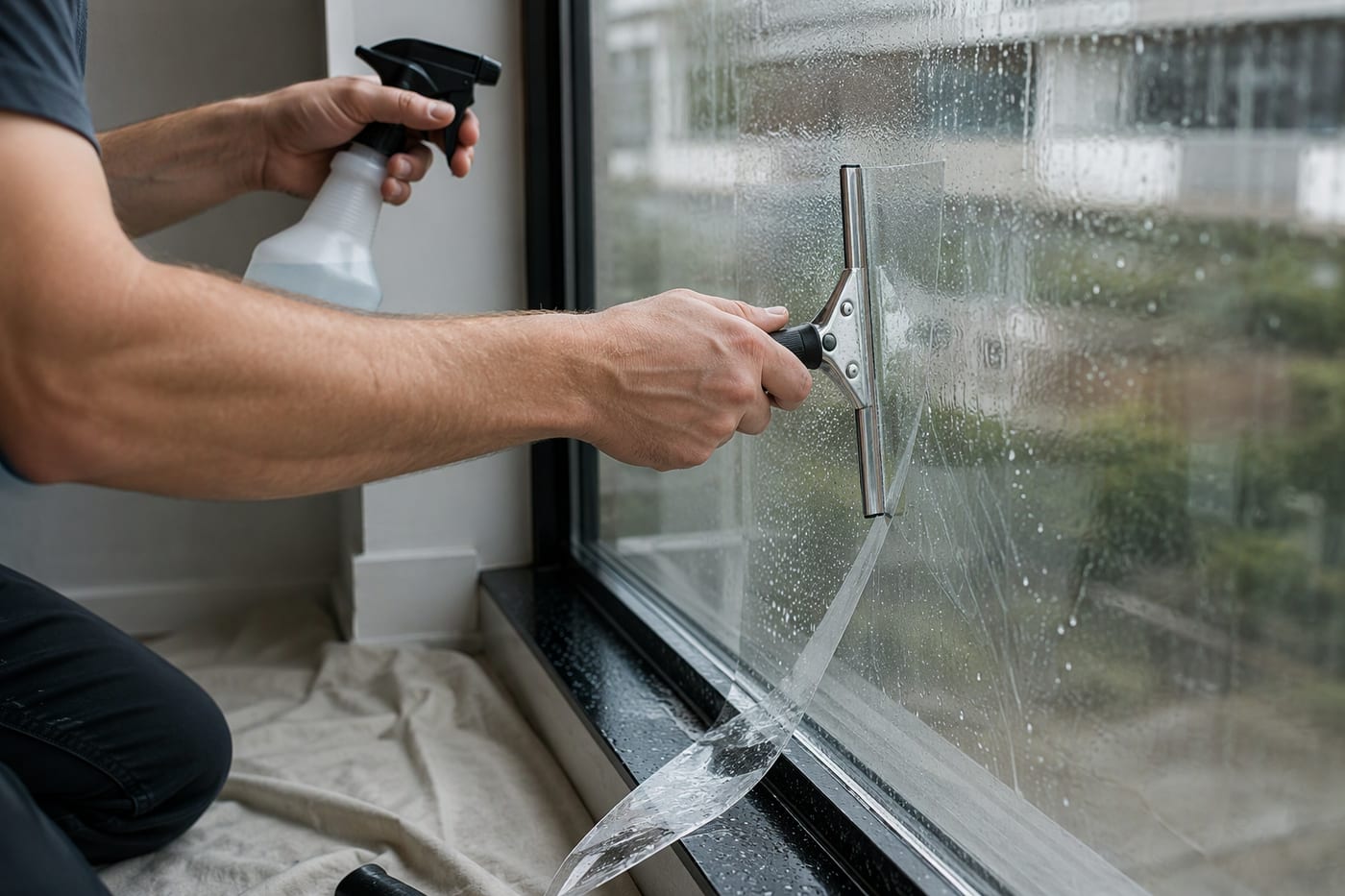
Detail
Three families, three jobs
Dyed film is the entry price and the shortest life. Carbon adds colour stability and heat rejection without a metal layer. Ceramic adds IR performance and signal transparency at the top of the range.
Which one sells in your market depends on the law, not on the brochure: a 5% VLT film that is legal in one country is a fine in another. We quote to the specification you give us.
Supply
Rolls, slit widths and private label
Automotive stock ships in standard roll widths for tint shops, or slit to the width your installers prefer. Private label is available from a minimum quantity per SKU.
Architectural and automotive constructions are not interchangeable — do not cut building stock for a car.
- Ceramic, carbon and dyed constructions
- Standard tint-shop roll widths
- Private label from MOQ
- Technical data for customs and retail listing
Market
Legal light transmission, before anything else
Automotive film is the one product in this range where the law decides the specification. Most markets set a minimum visible light transmission for front side windows, many prohibit or restrict reflective film on windscreens, and enforcement varies from a roadside meter to an annual inspection.
The consequence for a distributor is a range that has to be sold by market, not by preference. A shade that is legal and popular in one country is a rejection in another, and the buyer will hold the supplier responsible for the difference if the labelling is not clear.
We label every automotive roll with its measured visible light transmission and the intended position — windscreen, front side, rear side, rear screen. Distributors who relabel for their market should keep that number visible on the carton; it is the first thing a regulator or an installer checks.
| Position | Typical constraint | What to stock |
|---|---|---|
| Windscreen | Usually the strictest limit; reflective often prohibited | Clear or near-clear ceramic |
| Front side windows | Minimum light transmission set by law | Mid-shade, market-specific |
| Rear side and rear screen | Generally more permissive | Deeper shades and privacy grades |
| Commercial and taxi fleets | Local fleet rules can be stricter | Confirm per fleet contract |
Product
Ceramic, carbon and dyed — in the car, not the brochure
Dyed film is the cheapest and the shortest-lived: it absorbs, the glass gets hot, and the colour shifts over a few summers. Carbon film sits above it — better heat tolerance, a matte look, no signal interference. Ceramic is the top of the range: stable colour, high infrared rejection without metal, and no effect on keyless entry or phone signal.
For a distributor the practical range is two or three ceramic shades plus a carbon volume line. Dyed stock is only worth carrying where the market is price-led and the warranty conversation is short.
Thickness for automotive is typically 1.5 to 2 mil, and the film has to be shrinkable to compound curves. A film that installs beautifully on flat architectural glass can be unusable on a rear screen — that is a property of the construction, and it is worth testing a sample roll before committing to volume.
Questions
Before you ask
The three questions that come up on almost every enquiry.
Can you supply film that meets our local VLT limit?
Tell us the limit and the market. We quote the constructions that meet it rather than shipping the closest thing and hoping.
Do you supply installation tools?
Ask — consumables and tools are sometimes available with film orders, but they are not our core line.
Is automotive film the same as architectural film?
No. Different substrate, different adhesive, different shrinkage. Using one for the other is the most common false economy in this trade.
Is your film legal in my market?
Legality depends on the position and the market, and it is the buyer’s responsibility to confirm the local limit. We label measured light transmission on every roll so the compliance check is straightforward.
Do you supply automotive and architectural film from the same factory?
Yes, on separate lines and separate batch records. The constructions differ in thickness, shrink behaviour and adhesive, so they are never treated as interchangeable stock.
Can I get private-label automotive packaging?
Yes: printed liner, branded core, retail cartons and a datasheet in your brand. Automotive buyers expect retail-ready packaging, so plan the artwork early.
What roll size do automotive films ship in?
Narrower than architectural master rolls, matched to automotive install widths. We confirm the width against your market and your installers’ cutting practice before production.
Related
Keep reading
Send the specification
Tell us the glass, the quantity and the destination port. You get film grade, documents and MOQ in one reply.